What Are the Types of SEO and Which One Does Your Website Need?

Most people know SEO matters, but not everyone knows that SEO is not just one thing. There are different types of SEO, and each one serves a different purpose.
What Are All Different Types of SEO?
There are several types of SEO, but four of them form the core of any strategy: on-page SEO, off-page SEO, technical SEO, and local SEO. Beyond these, there are more specialized types like e-commerce SEO, international SEO, and content SEO. Let us go through each one.
1. On-Page SEO
On-page SEO is everything you do directly on your web pages to help Google understand what your content is about. It is the most hands-on type of SEO and also the best place to start.
According to the Backlinko study, pages ranking in the top 3 positions on Google consistently use their target keyword in the title tag, H1, and within the first 100 words of content.
The main elements of on-page SEO include:
- Title tags and meta descriptions that include your main keyword
- Header tags (H1, H2, H3) that give structure to the page
- Well-written, original content that answers the user’s question
- Internal links that connect related pages on your website
- Image alt text that describes what the image shows
Check out our detailed guide on [on-page SEO] to go deeper on this.
2. Off-Page SEO
But off-page SEO is not just link building. It also includes brand mentions, guest posts on relevant websites, and your overall online reputation. A site that people are genuinely talking about and linking to will always have an edge.
For businesses in India, off-page SEO often means getting listed on trusted local directories, earning mentions from industry publications, and building relationships with relevant websites.
3. Technical SEO
Technical SEO focuses on the backend of your website, the parts users never see but that Google cares about a lot. Even if your content is great, a slow or poorly structured website can hold your rankings back.
Google’s Core Web Vitals data from 2023 shows that sites with good page experience signals (fast loading, stable layout, quick response) consistently outperform sites with poor scores in competitive searches. (Source: Google Search Central, 2023)
Technical SEO covers:
- Site speed and Core Web Vitals performance
- Mobile-friendliness and responsive design
- XML sitemaps and robots.txt configuration
- HTTPS and site security
- Crawlability and fixing broken links or redirect issues
4. Local SEO
Local SEO helps your business show up when people nearby search for what you offer. Searches like “digital marketing agency in Delhi” or “SEO services near me” are local searches, and they need a specific strategy to win.
Google reports that nearly 46% of all searches have local intent. That is a massive opportunity, especially for businesses with a physical presence or those serving a specific city or region.
Local SEO focuses on:
- Optimizing your Google Business Profile
- Building local citations and directory listings
- Collecting and managing online reviews
- Keeping your Name, Address, and Phone number consistent everywhere
5. E-Commerce SEO
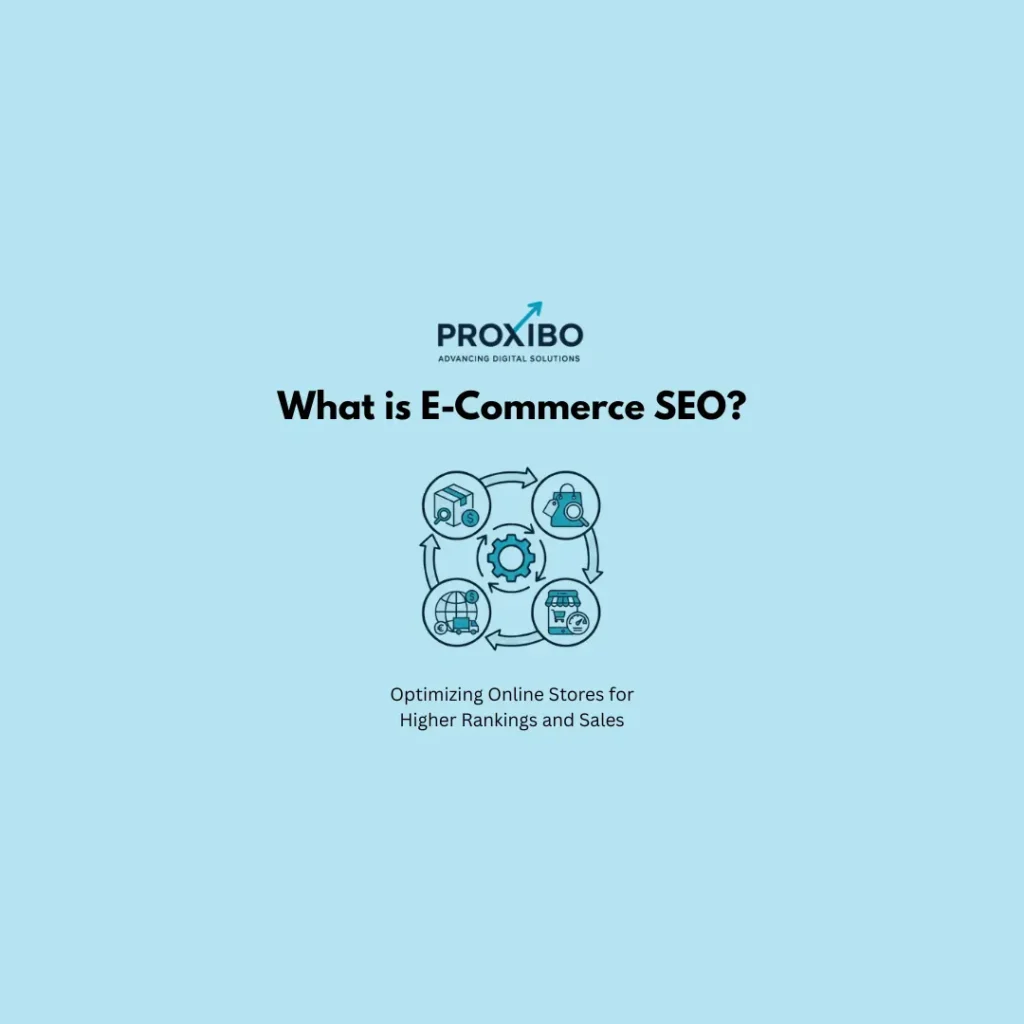
E-commerce SEO is built around product pages, category pages, and helping shoppers find what they are looking for through organic search. It involves keyword research for product-specific terms, writing compelling product descriptions, optimizing images, and creating a clean site structure. If you run an online store, this type of SEO directly impacts your sales.
6. International SEO
International SEO is for businesses targeting customers in multiple countries or languages. It uses tools like hreflang tags to tell Google which version of a page to show to which audience. If you are expanding globally or running campaigns across different regions, this ensures users in each country see the right content in the right language.
7. Content SEO
Content SEO is about creating the right content in the right way so that Google understands its value and ranks it for relevant searches. This includes keyword research, content structure, and making sure each piece genuinely answers what the user is looking for. It works closely with on-page SEO, but the focus here is specifically on the quality and strategy behind the content itself.
What Is a Practical Checklist to Apply Different SEO Types Correctly?
Knowing the types of SEO is one thing. Actually applying them is where results come from. Here is a simple checklist to make sure you are covering the right areas.
1. On-Page SEO Checklist
- Include the primary keyword in the title tag, H1, and within the first 100 words
- Write a meta description between 150 and 160 characters with a clear call to action
- Use H2 and H3 subheadings to organize content clearly
- Add descriptive alt text to every image on the page
- Include at least 2 to 3 internal links to related pages on your site
2. Off-Page SEO Checklist
- List your business on trusted directories (Google Business Profile, Justdial, Sulekha)
- Reach out to relevant websites for guest posting opportunities
- Monitor your brand mentions using tools like Google Alerts
3. Technical SEO Checklist
- Run your site through Google PageSpeed Insights and fix major issues
- Check that your website passes Google’s mobile usability test
- Submit an XML sitemap to Google Search Console
- Make sure your website has HTTPS enabled with no mixed content warnings
4. Local SEO Checklist
- Claim and fully complete your Google Business Profile with accurate details
- Make sure your NAP (Name, Address, Phone) is consistent across every platform
- Ask satisfied customers to leave Google reviews regularly
How Can SEO Services Help Businesses Implement the Right SEO Type?
A good SEO team does not apply a one-size-fits-all strategy. They start by auditing your website to understand where the gaps are:
- Weak content? That is an on-page and content SEO problem.
- No websites linking to you? That is an off-page SEO issue.
- Google struggling to read your pages? That is a technical SEO problem.
- Not showing up for local searches? Local SEO is what you need.
At Proxibo, we work with businesses across India and globally to figure out exactly which SEO types to focus on based on their industry, audience, and goals. From fixing technical errors that silently hurt your rankings, to building content that earns traffic, to building a backlink profile that Google respects, our SEO service is built to deliver results that last.
It is not just about rankings. It is about getting the right people to your website — people who are actively searching for what you offer. That is the traffic that turns into leads and revenue. You can also explore the [benefits of SEO] to understand why this is one of the highest-ROI investments a business can make.
Conclusion
The types of SEO like on-page, off-page, technical, and local are not separate options to pick from. Most businesses need a combination of them working together to see real, lasting results. The key is knowing which ones matter most for your situation and where to start.
Frequently Asked Question
SEO, or Search Engine Optimization, is the process of improving your website so it appears higher in search results like Google. It involves changes to your content, website structure, and online presence so more people can find you when they search for what you offer.
A new business should start with on-page SEO and technical SEO. These lay the foundation because Google needs to be able to find and read your website before anything else matters. Once that is done, local SEO is usually the next step if you serve a specific location, as it helps you appear in nearby searches quickly.
Yes, for low-competition keywords or niche topics it is possible. But for competitive industries, backlinks (off-page SEO) are usually needed to stand out. On-page SEO alone can get you started, but building a backlink profile over time will help you rank for the more competitive terms.
For service businesses in India, local SEO tends to have the biggest immediate impact. It helps you appear when people in your area search for the services you offer. Combining local SEO with strong on-page optimization gives you a solid foundation, and off-page SEO can then help you compete for broader search terms.
Clear signs include slow loading speeds, pages not showing up in Google, a high bounce rate, or errors in Google Search Console. You can run a free check using Google PageSpeed Insights or request a free audit from our team to get a clear picture of what needs fixing.