Ecommerce SEO Content Strategy: Complete Guide to Content Marketing

You have optimized your e-commerce website technically, built quality backlinks, and fixed every indexing issue.
Your site loads fast, works perfectly on mobile, and has no crawl errors—yet your organic traffic remains disappointingly low. In many cases, this gap can be bridged with targeted ecommerce SEO services that optimize product pages, category structures, and search intent to drive qualified traffic and conversions.
Research shows that 73% of B2C companies now use content marketing as a core part of their business approach, and ecommerce businesses that publish regular, helpful content see 67% more leads than those that do not.
This guide explains what ecommerce SEO is and how to develop an effective ecommerce SEO content strategy that attracts targeted traffic and converts visitors into customers.
What Ecommerce SEO Content Strategy Really Means?
An ecommerce SEO content strategy is your complete plan for making and sharing content that helps your business hit specific goals.
This is not just about writing stuff and hoping it works. It covers what you create, when you put it out there, who you are writing for, and how you make sure search engines and actual people can find and use it.
Each type of content plays a different role in bringing people to your store and getting them to buy. Product descriptions convert people who already know what they want.
Blog posts bring in people who are still figuring things out. Buying guides build trust by helping instead of just selling. Understanding how these pieces fit together is what separates stores that grow from those that stay stuck.
Why Do Most Ecommerce Sites Get Content Wrong?
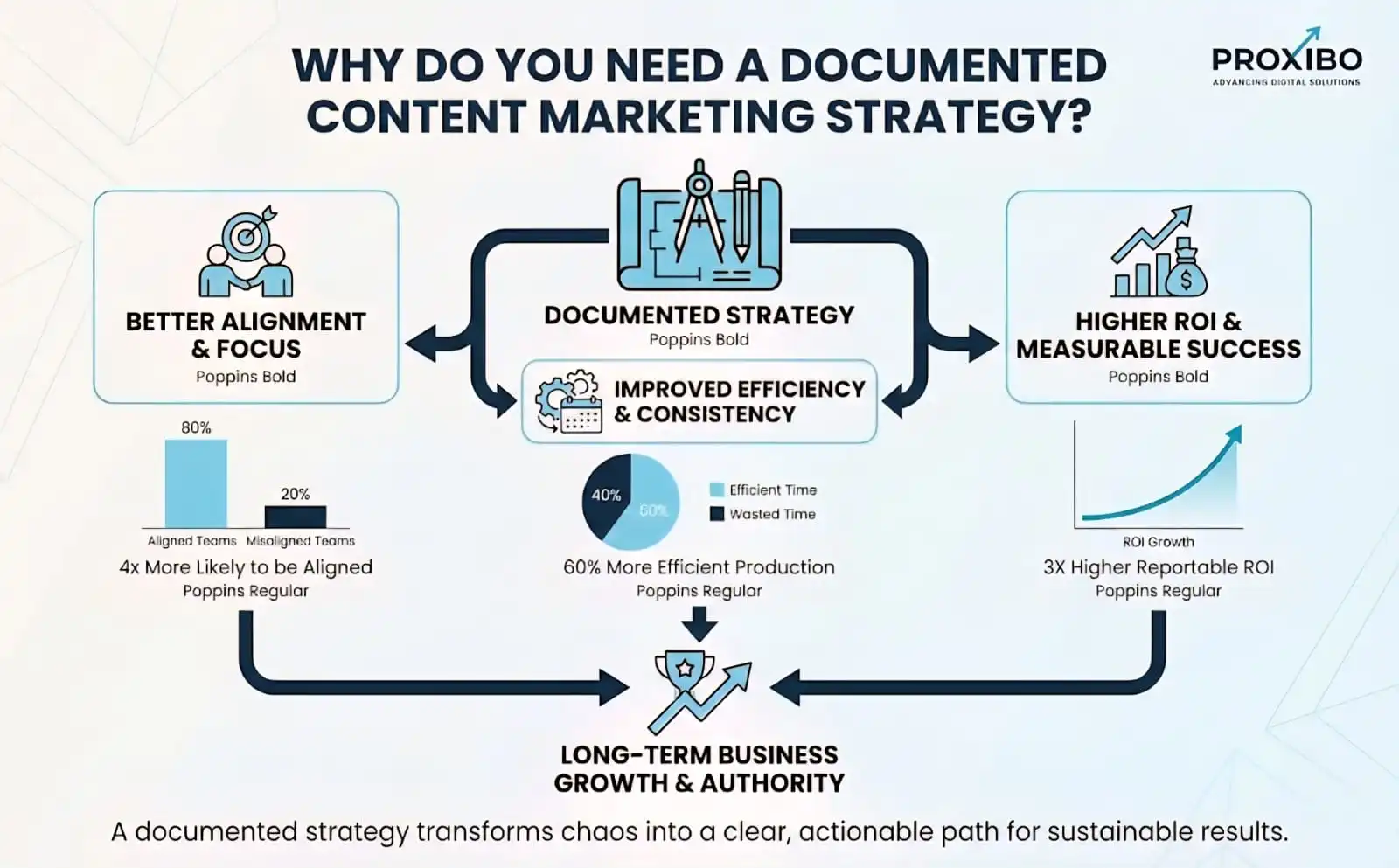
The stores that win with content understand something simple but powerful: good content does not just bring visitors, it turns visitors into buyers. Every piece of content should move someone closer to making a purchase, whether that means answering their questions, building their confidence, or showing them exactly what they need.
The Building Blocks of Ecommerce Content That Actually Works
Product Page Content That Sells
Your product pages are where the money gets made, so they need content that does more than just list features. Write unique descriptions for every single product. Yes, this takes time, especially if you have hundreds of products. But copying manufacturer descriptions guarantees you will never outrank other stores selling the same items.
Good Product Descriptions Include
- Clear explanations of what the product does and why someone would want it, not just technical specifications
- Real benefits that matter to buyers, like “keeps your coffee hot for 6 hours” instead of “double-wall insulation.”
- Complete specifications for people who want the technical details, but written in language normal humans understand
- Usage information that helps people picture themselves using the product
Customer reviews deserve special attention here. They add fresh, unique content that search engines love, and more importantly, they answer the real questions potential buyers have. Reviews build trust in a way your marketing copy never can.
Category Pages That Work Hard for Your SEO
Category pages can rank for broader, higher-traffic keywords than individual products. But most online stores waste this chance by leaving category pages as just lists of products with no real content.
Add unique introductory content at the top of each category page. Explain what the category includes, who these products are for, and help people understand their options. This does not need to be a novel. A few solid paragraphs that give context and answer common questions work great.
Think about how real people shop. Someone looking at your “Running Shoes” category might wonder about the difference between trail running shoes and road running shoes, or what features matter most for beginners versus experienced runners. Your category page content should address these questions right up front.
Blog Content That Brings in Qualified Traffic
Blog posts catch people early in their buying journey when they are still learning and researching. These people are not ready to buy right this second, but they will remember the store that helped them figure things out.
Create how-to guides and educational content related to your products. If you sell camping gear, write guides about choosing the right tent for different weather conditions, how to plan a first camping trip, or what to pack for a weekend in the woods.
Go after long-tail keywords with clear intent. An article titled “How to Choose Running Shoes for Flat Feet” is way more useful than “Best Running Shoes.” The person searching for help with flat feet is dealing with a specific problem and will appreciate content that addresses it directly.
Buying Guides That Build Trust and Drive Sales
Detailed buying guides are some of the most valuable content you can create for an ecommerce site. These comprehensive articles explain product categories, break down the key features people should consider, and help them choose the right option for their specific situation.
What makes buying guides so powerful is that they build trust by focusing on helping rather than selling. You are not just pushing your products. You are giving people the knowledge they need to make smart decisions.
A good buying guide for, say, laptop computers would explain different types of processors and what they mean for real-world performance, how much RAM different users actually need, why screen resolution matters, what to think about for battery life, and how to balance price against features.
Comparison Content for People Ready to Buy
People love comparison content because it saves them time and effort. Instead of researching multiple products separately, they can see everything side by side in one place. If you sell products where people typically compare options before buying, comparison articles are gold.
Articles comparing specific products or brands rank really well and convert at high rates. Someone reading “iPhone 15 Pro vs Samsung Galaxy S24: Which Should You Buy?” is clearly close to making a purchase. They have narrowed down their options and just need that final push.
FAQ and Support Content That Solves Problems
FAQ pages do double duty: they answer customer questions while also improving your SEO. Structure your FAQs with schema markup so they can show up as rich snippets in search results. Those enhanced listings catch attention and bring in more clicks.
But do not just throw together a generic FAQ. Look at the actual questions your customers ask through email, chat, and phone support. Those real questions make the best FAQ content because they address what people genuinely need to know.
Support content like installation guides, troubleshooting articles, and maintenance tips keeps customers happy after they buy. Happy customers leave good reviews, buy again, and tell their friends. These articles also rank for support-related searches, which can bring in more business.
Landing Pages That Convert
Landing pages combine product listings with helpful content, creating complete resources around specific topics. These pages work great for your most important keywords and topics.
A landing page for “home office furniture” would include your relevant products but also guide on setting up an ergonomic workspace, choosing the right desk size for different spaces, and arranging furniture for productivity. The content adds value while the product listings make it easy for people to buy once they are ready.
Building Your Ecommerce SEO Content Strategy Step by Step
Step 1: Do Real Keyword Research
Keyword research is where everything starts. You need to know what your target customers are actually searching for, not what you think they should be searching for.
Use keyword research tools to find both transactional keywords (people ready to buy) and informational keywords (people still learning). Look for chances at every stage of the buying journey. Someone searching “what is the best material for outdoor furniture” is earlier in their journey than someone searching “buy teak outdoor dining set free shipping.”
Pay special attention to:
- Search volume – how many people are actually looking for this
- Keyword difficulty – how hard it will be to rank for this term
- Search intent – what people are trying to accomplish with this search
- Commercial intent – how likely people are to buy after this search
- Related questions people ask that you can answer
Step 2: Map Content to the Customer Journey
People do not wake up and immediately buy things. They move through stages: realizing they have a problem or need, learning about solutions, researching specific options, and finally deciding what to buy. Your content needs to serve people at every stage.
Awareness Stage Content:
- Educational blog posts about problems your products solve
- Articles explaining different solutions and approaches
- Content that builds awareness of issues they might not have known about
Consideration Stage Content:
- Buying guides that explain product categories and features
- Comparison articles that show how different options stack up
- Reviews and detailed product information
Decision Stage Content:
- Product pages with complete specifications and clear calls to action
- Customer reviews and testimonials that build final confidence
- FAQ content that addresses last-minute concerns
- Shipping, return, and warranty information that removes purchase barriers
Step 3: Build a Content Calendar That You Will Actually Use
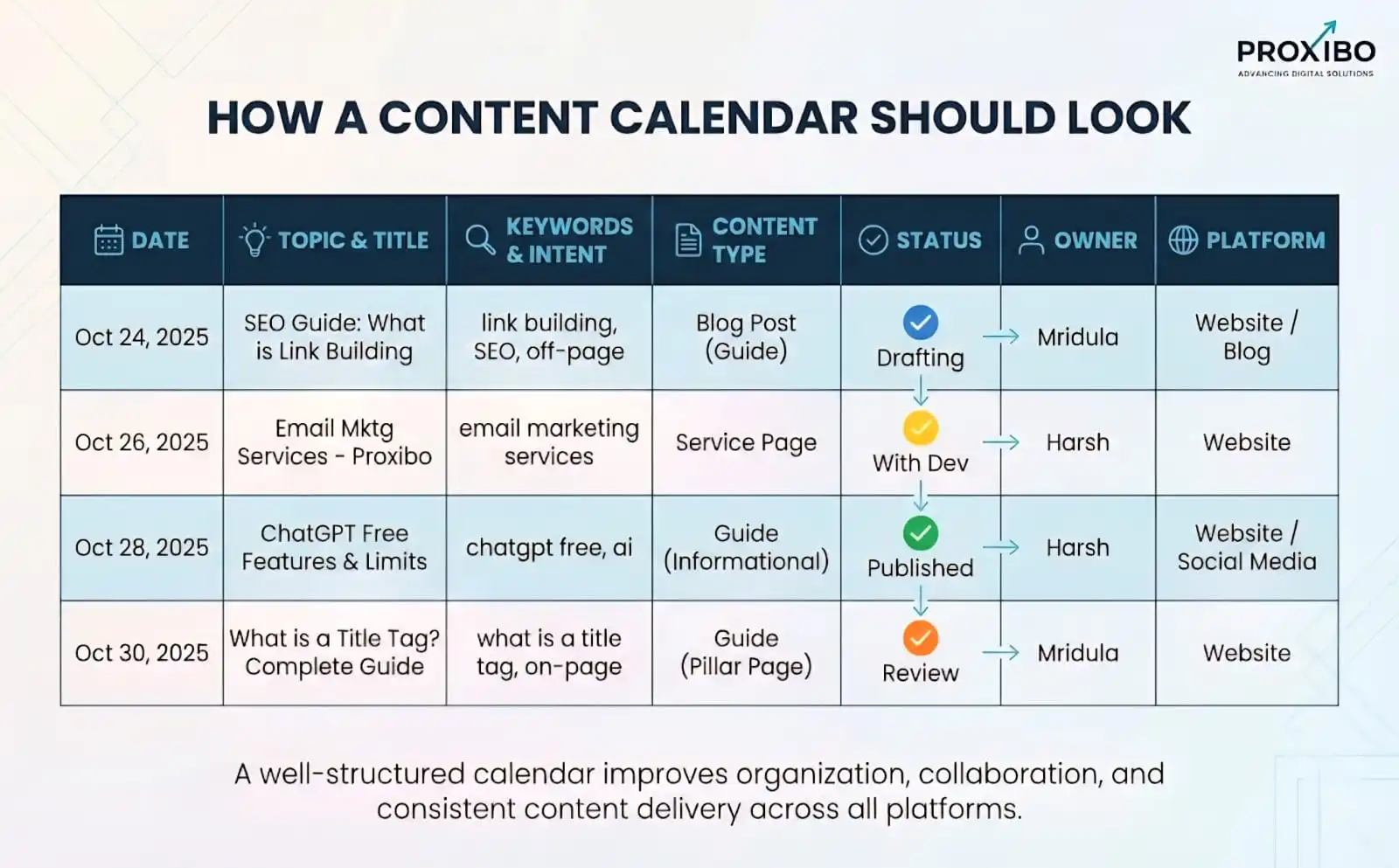
A content calendar keeps you organized and consistent. Plan your content creation at least three months out. This gives you enough runway to coordinate with product launches, seasonal trends, and promotional periods.
Your calendar should include what you are creating, when it goes live, what keywords it targets, and where it fits in the customer journey. This stops you from randomly creating content and makes sure everything serves a purpose.
Be realistic about what you can handle. Creating one really good piece of content per week is better than forcing out daily posts that are not very good. Quality beats quantity every time in content marketing.
Step 4: Set Standards for Content Quality
Create guidelines that define what good content looks like for your store. This keeps quality consistent, especially if multiple people are creating content.
Your guidelines should cover:
- Minimum word counts for different content types (but do not hit a number just to hit it – make sure the content needs that length)
- Required elements like images, internal links, and calls to action
- Tone and voice that match your brand
- How to use keywords naturally without stuffing
- Formatting standards that make content easy to read
Step 5: Optimize Every Piece You Create
Content optimization means making sure search engines can find and understand your content while keeping it helpful for real people. This is not about tricks or hacks. It is about good practices that serve both audiences.
For every piece of content:
- Include your target keyword in the title, but make sure the title still sounds natural and appealing
- Use the keyword and related terms naturally in headings throughout the content
- Write meta descriptions that make people want to click while including the keyword
- Add descriptive alt text to images that helps search engines understand what they show
- Link to other relevant pages on your site where it makes sense
- Structure content with clear headings that help both readers and search engines follow along
Writing Ecommerce Content That Actually Connects and Converts
Write for Real People First
Here is a truth that gets lost sometimes: you are writing for humans who have problems they want to solve. Search engine optimization is important, but it comes second to connecting with actual people.
Write like you are talking to someone. Use clear, direct language that explains things without showing off. Include your target keywords, but do it naturally. If adding a keyword makes a sentence weird or hard to read, rewrite the sentence or skip that keyword placement.
Talk About Benefits, Not Just Features
Features describe what a product is. Benefits explain what it does for the person who buys it. Always lead with benefits because those are what people actually care about.
Instead of saying “This backpack has a 10,000mAh battery,” say “Charge your phone three times without hunting for an outlet, perfect for long flights or days exploring the city.” The first version is a feature. The second is a benefit that helps someone picture using the product.
Make Your Content Easy to Scan
People do not read every word on a webpage. They scan for information that matters to them. If your content looks like a wall of text, they will leave and find something easier to process.
Make your content scannable with:
- Short paragraphs (three to four sentences maximum for most content)
- Bullet points for lists and key information
- Clear, descriptive subheadings that tell people what each section covers
- Bold text to highlight the most important points (but use this sparingly – too much bold text defeats the purpose)
- White space that gives content room to breathe
- Images that break up text and illustrate key points
Always Include Clear Next Steps
Every piece of content should guide people toward a specific action. Do not leave them wondering what to do next.
Product pages need obvious “Add to Cart” buttons that stand out visually. Blog posts should link to relevant products where it makes sense in the content, not just in a forced way at the end.
Mistakes That Kill Ecommerce Content Strategy
Creating Content Without a Clear Purpose
The worst mistake is making content just to make content. Every piece should serve a specific purpose: attracting traffic for a particular keyword, answering a common customer question, building trust in your expertise, or moving people closer to buying.
Before creating anything, ask yourself: What is this supposed to accomplish? Who is this for? What action do I want people to take after reading it? If you cannot answer these questions clearly, rethink the content.
Ignoring What Your Actual Customers Need
Too many online stores create content based on what they want to talk about instead of what customers actually need. This leads to blog posts nobody reads and guides that do not help.
Look at your customer support emails and chat logs. What questions keep coming up? Those are content opportunities. Read your customer reviews. What do people praise? What confuses them? Create content that addresses these real issues.
Trying to Rank for Everything at Once
Start with long-tail keywords and specific topics where you can actually compete. Build authority gradually. As your site gets stronger, you can go after more competitive terms.
Putting It All Together
Building a strong ecommerce SEO content strategy is not complicated, but it does take work and consistency. Start with understanding what your customers need at each stage of their buying journey. Create content that genuinely helps them make good decisions. Optimize that content so search engines can find it and understand it. Then measure results and keep improving.
A strong ecommerce SEO content strategy from a trusted digital marketing company blends technical optimization with valuable content that attracts, educates, and converts customers. Focus on creating diverse content types that support every stage of the customer journey, and optimize each piece for both search engines and real users.
The ideal title tag length is 50–60 characters. Use the title tag examples from this guide to craft effective titles for different page types. Start with the most important pages and systematically optimize the rest of your site—contact us to get expert support and accelerate results.
Frequently Asked Question
Update product descriptions when products change or when you notice declining rankings. Refresh blog content annually or when statistics become outdated.
Product descriptions alone are not sufficient for comprehensive SEO success. They target only transactional keywords with high competition.
Technical SEO helps an eCommerce website load faster, get indexed correctly by search engines, and rank higher.
ABOUT THE AUTHOR

Related Posts